


Your spine is one of the most vital structures in your body. It not only provides support and stability but also houses the delicate spinal cord, responsible for transmitting crucial signals between your brain and the rest of your body. Given its significance, any injury to the spine can be a daunting prospect. However, the good news is that there are various types of treatment available to help individuals recover from spinal injuries. In this article, we’ll explore seven types of treatment for an injured spine and shed light on the importance of seeking prompt and effective care.
1. Rest and Immobilization
The first and often immediate response to a spine injury is rest and immobilization. This approach is rooted in the R.I.C.E method: Rest, Ice, Compression, and Elevation. Resting allows the body to divert its resources to the healing process, while ice helps reduce inflammation. Compression and elevation can further aid in minimizing swelling and promoting recovery.
2. Physical Therapy
Physical therapy plays a pivotal role in the recovery of individuals with spinal injuries. A trained physical therapist will create a personalized rehabilitation plan, including exercises and techniques to improve mobility, strength, and function. These exercises are designed to target specific muscle groups, aiding in the restoration of normal spinal function. Over time, if you are dealing with injuries, you may need to see a physical therapist for specialized treatments and exercises to address your specific needs, as physical therapy can significantly enhance the quality of life for those with spinal injuries.
3. Surgical Interventions
In some cases, surgical intervention may be necessary to treat a spinal injury. Surgery becomes an option when conservative treatments fail to provide relief or when the injury is severe and poses a significant risk to the patient’s health. Different types of spinal surgeries exist, such as spinal fusion, laminectomy, and discectomy. According to Dr. Richard Parkinson, neurosurgeon and spine surgeon, the choice of surgery depends on the specific injury and its location within the spine. Pre-operative and post-operative care are essential to optimize outcomes and facilitate patient recovery. When performed by experienced surgeons, surgical interventions can offer hope and improved quality of life for individuals with complex spinal injuries.
4. Medication and Pain Management
Pain management is another essential aspect of treating spinal injuries. Physicians may prescribe medications to alleviate pain and reduce inflammation. Commonly prescribed drugs include non-steroidal anti-inflammatory drugs (NSAIDs), muscle relaxants, and opioids for severe pain. While these medications can be effective, following medical advice carefully is crucial, as some come with potential risks and side effects.
5. Alternative and Complementary Therapies
Alternative and complementary therapies can offer relief and support for individuals seeking non-traditional treatment options. Chiropractic care, for instance, focuses on spinal manipulation to improve alignment and reduce pain. Acupuncture, another alternative therapy, involves inserting thin needles into specific points on the body to stimulate healing and pain relief. While these therapies can be beneficial, it’s crucial to consult with a healthcare professional before pursuing them, especially in cases of spinal injury.
6. Assistive Devices and Adaptive Strategies
Spinal injuries can impact an individual’s mobility and independence. In such cases, assistive devices and adaptive strategies can play a crucial role in improving daily life. Assistive devices like wheelchairs, braces, and canes provide support and enhance mobility. Adaptive strategies involve learning new ways of performing daily tasks to accommodate limitations caused by the injury. Support networks and resources are available to help individuals with spinal injuries explore the best options for their unique needs.
7. Lifestyle Modifications and Preventive Measures
Long-term spinal health is a priority for individuals recovering from spinal injuries. Making lifestyle modifications is often necessary to reduce the risk of further injuries and promote overall well-being. Regular exercise, including targeted core and back strengthening exercises, can help maintain spinal health. A balanced diet rich in essential nutrients is also essential. Additionally, preventive measures like proper posture, lifting techniques, and ergonomics should be observed to minimize the risk of future spinal injuries.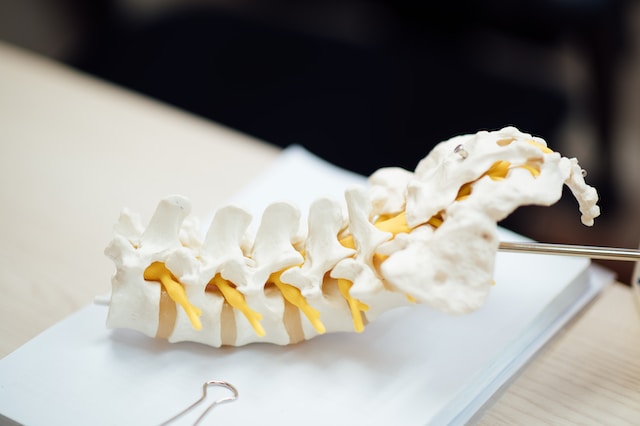
In summary, a spinal injury can be a life-altering event, but it doesn’t have to be the end of one’s journey to a healthy, fulfilling life. With various types of treatment options available, ranging from rest and immobilization to surgery and alternative therapies, there is hope for recovery and improved quality of life. However, seeking professional medical advice and following prescribed treatments diligently is crucial. Additionally, making lifestyle modifications and practicing preventive measures can go a long way in safeguarding your spinal health. Remember that each individual’s journey to recovery is unique, so consult with healthcare professionals to determine the best treatment plan for your specific spinal injury. Your spine’s health is worth investing in, and with the right care, you can embark on a path to healing and well-being.
Author

Get the latest updates by following us on Twitter @hypeandstuff & Facebook Have an interesting story to share? Email us at [email protected]